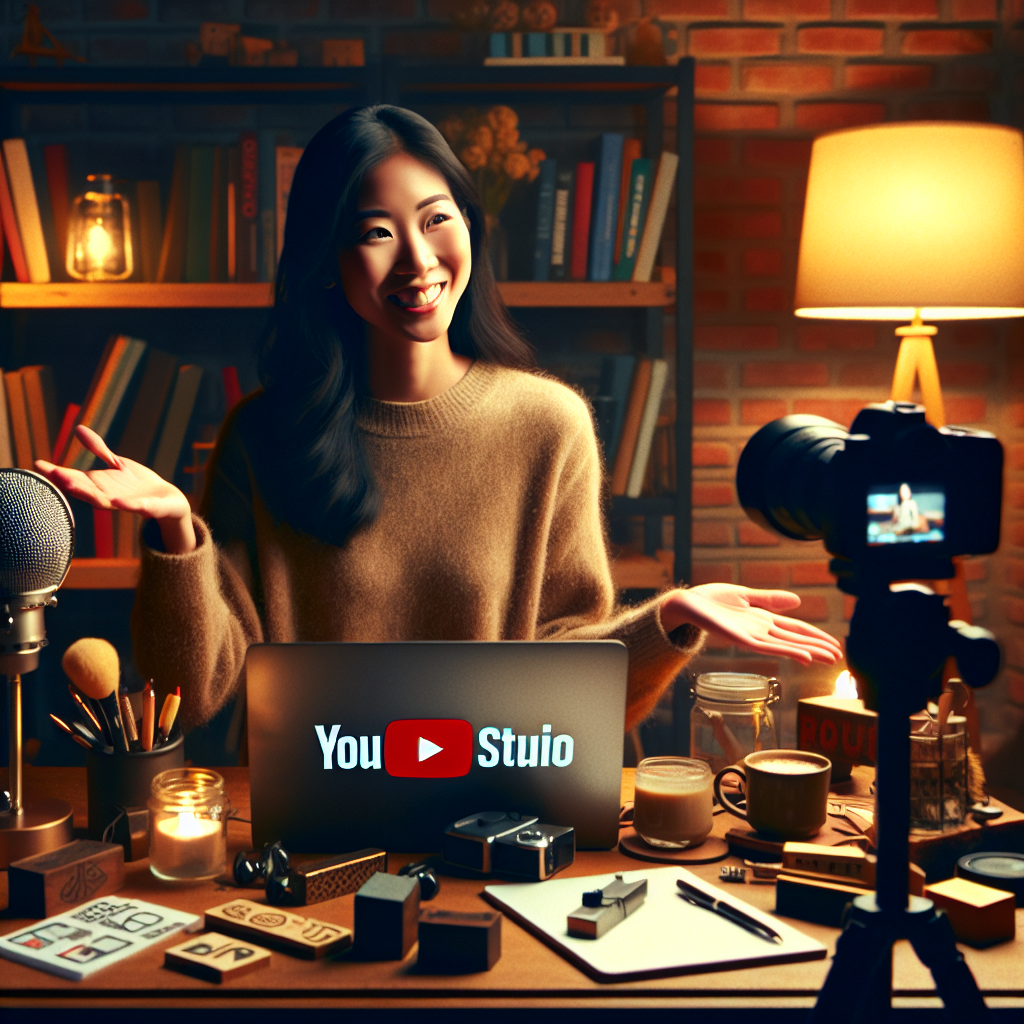
Navigating the world of YouTube for marketing purposes can often feel like attempting to crack a complex code.
It’s a realm teeming with creators who have mastered the art of engaging storytelling and dynamic content creation.
But even more daunting can be the persistence of outdated advice that suggests outdated techniques that feel completely out of touch with the evolving digital audience.
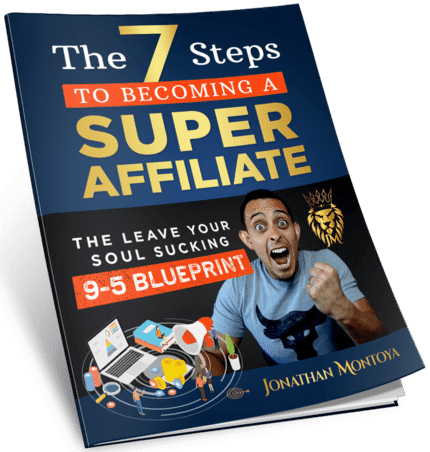
When I was first preparing to launch my digital guide, the thought of using YouTube to sell it made my skin crawl a little.
The idea of putting myself out there in potentially awkward videos for the sake of selling seemed terrifying and slightly cringy.
Yet, it couldn’t be ignored that YouTube was a colossal platform with unparalleled potential for reaching a global audience.
I was determined to find a way to make it work for me without losing my dignity or authenticity.
After much research and several failed attempts, I stumbled upon a method that finally clicked.
This YouTube hack not only helped me sell my digital guide but also allowed me to do so in a way that was genuine and far from cringe-worthy.
The first lesson was understanding that authenticity is paramount.
Many times, marketers are tempted to adopt a persona or style they think will attract viewers because it worked for someone else.
However, the most successful YouTubers—the ones who maintain subscriber loyalty and consistently grow their audience—are those who present themselves genuinely.
Overcoming the cringe factor began with me accepting and embracing my unique voice and style.
This realization led me to create content that felt natural to me rather than forced.
One of the most profound changes in my approach was focusing on the "value first" mentality.
Before even considering how to pitch my digital guide, I dedicated significant time to crafting content that would provide real, tangible value to my audience.
This meant diving deep into the key insights and helpful information contained in my guide without holding back, even if giving away some information for free meant potentially reducing its novelty in my paid guide.
The secret was offering just enough to establish credibility while still leaving an appetite for viewers to want more in-depth information, which could be found in the guide.
The way I structured my content also played a large part in reducing any cringe worthy elements.
I quickly realized that viewers appreciated concise, straightforward explanations over lengthy and drawn-out monologues.
Each video focused on a central concept or tip and was presented in a way that my audience could easily digest and implement.
Adding to this strategy was the importance of storytelling.
People connect with stories, not sales pitches.
By framing my guide’s content within engaging narratives that my audience could relate to, I avoided the feeling of simply trying to sell a product.
I shared my own experiences and challenges, demonstrating how the techniques in the guide had impacted my journey.
This candid sharing not only helped build trust with my audience but also humanized my brand, which made the guide feel like a helpful resource rather than just a product for sale.
Interaction with viewers turned out to be a game-changer too.
YouTube is not a one-way street where information flows only from the creator to the audience; it's a platform built for interaction.
Responding to comments, engaging in discussions, and sometimes even incorporating viewers’ feedback into future content ensured my audience felt heard and valued.
This two-way interaction not only helped solidify a loyal community but also provided further insights into what my audience wanted, enabling me to tailor future content even more effectively.
Integrating calls to action in a way that felt natural was another trick I had to master.
Rather than hard-sell tactics or interruptions in the form of pop-ups or loud declarations urging viewers to buy my guide, I discovered subtlety was key.
A gentle suggestion at the end of a video where I recommended the guide to those wanting further exploration on the topic at hand, or a mentioning of the benefits others had found by using it, fit better with the tone and style of my content.
Thumbnail and title choice cannot be underestimated if one seeks to avoid seeming disingenuous or misleading.
The temptation to use clickbait is real, considering it can draw in views.
However, misleading thumbnails and titles only serve to disappoint viewers when they don't find the promised content, resulting in a loss of trust.
Creating honest yet enticing titles and thumbnails that precisely represent the video’s content was vital.
Crafting a visual that piqued curiosity while remaining truthful helped foster a sense of trustworthiness with my audience.
Additionally, optimizing the video for search engines played a significant role in increasing its visibility and ultimately guiding more traffic toward my digital guide.
This meant carefully considering keywords that my potential audience frequently searched for and incorporating them into video titles, descriptions, and tags.
Making the content discoverable without compromising the authenticity or overwhelming viewers with search-heavy language kept it authentic yet effective.
Throughout my entire journey of adapting YouTube as a sales tool, analytics proved to be my best friend.
Tracking which videos had higher retention rates, which topics resonated most with viewers, and evaluating conversion rates from video views to guide purchases offered invaluable insights.
This data-directed approach ensured I focused on creating content that was not only aligned with my audience's interests but also contributed effectively to the ultimate goal: selling my digital guide.
Lastly, leveraging collaborations elevated the credibility of both my videos and by extension, my guide.
Working with other creators in the same or complementary niches helped cross-pollinate audiences.
These partnerships extended reach and provided a platform for recommendations to feel natural and trusted, as often my collaborators' audiences were willing to try something recommended by creators they already valued and trusted.
This entire process taught me that selling on YouTube doesn’t have to feel awkward or uncomfortable.
By focusing on authenticity, value-first content, storytelling, genuine interaction, subtle call-to-actions, and strategic partnerships, leveraging YouTube as a sales tool can become a rewarding process that feels anything but cringe-worthy.
Embracing these strategies not only helped me sell my digital guide effectively but also allowed me to cultivate a community of engaged, loyal followers who genuinely appreciate and trust the content I produce.