In the ever-evolving landscape of work culture, the traditional 9-5 job has long been a cornerstone of professional life.
This model, deeply ingrained in our society, provided structure and a predictable rhythm.
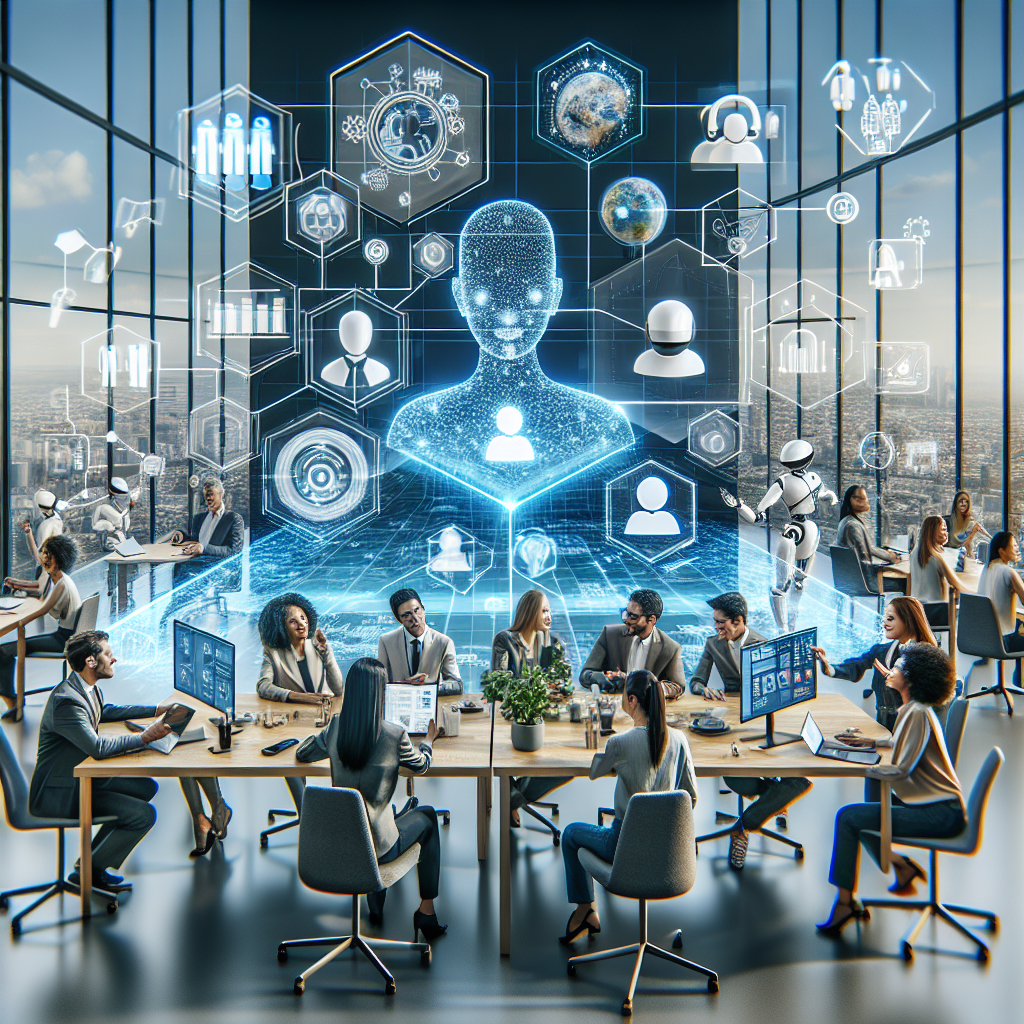
However, the advent of digital products and artificial intelligence (AI) is gradually revolutionizing this traditional work structure, offering people more flexible and innovative opportunities than ever before.
AI is not just a tool for automation; it is reshaping how we think about work, productivity, and leisure.
Let us explore how AI is transforming the 9-5 escape through digital products and what the future might hold for the workforce.
One of the most notable changes that AI has brought about is the rise of remote work.
The digital age, accelerated by AI capabilities, allows people to work from virtually anywhere with an internet connection.
This shift has been dramatically evident in recent years, with many industries adopting remote work policies.
AI-driven tools such as project management software, virtual meeting platforms, and collaboration suites have made it possible to maintain productivity outside the traditional office setting.
For instance, AI-powered scheduling tools can optimize meetings for participants spread across different time zones, ensuring that collaboration is seamless and efficient.
Not only does AI enable more remote work, but it also optimizes the work process itself.
Machine learning algorithms can analyze vast amounts of data to identify patterns and provide insights that were previously unseen.
Consider customer service roles; AI chatbots now handle many inquiries, providing instant responses and freeing human employees to tackle more complex issues.
This allows workers to focus on tasks that require creativity and critical thinking while leaving repetitive and mundane tasks to AI.
As a result, companies can increase productivity, and employees can enjoy a more engaging work experience.
Moreover, AI is playing a pivotal role in decision-making processes within organizations.
Data-driven insights gleaned from AI systems provide a more comprehensive understanding of market trends and consumer behaviors.
As AI continues to evolve, it offers predictive analytics that can foresee future market disruptions or consumer demands.
This foresight enables businesses to adapt swiftly and maintain a competitive edge.
Employees armed with AI tools can make informed decisions faster than before, which is paramount in today’s fast-paced business environment.
AI is also empowering individuals to be entrepreneurs and freelancers.
Digital platforms, enhanced by AI, connect talent with opportunities worldwide.
Freelancing platforms use algorithms to match freelancers with projects that align with their skills and interests.
This has led to a surge in gig work and entrepreneurship.
People are no longer tied down by geography or constrained by a traditional employer-employee relationship.
Instead, they can explore multiple income streams and pursue passion projects simultaneously.
AI advancements in digital products, such as content creation tools and online marketplaces, provide individuals with the resources needed to develop and sell their products and services globally.
Furthermore, AI in digital products is leading to the personalization of experiences that were previously impossible.
Whether it is personalized learning platforms, custom shopping experiences, or tailored entertainment recommendations, AI analyzes individual user preferences to deliver customized interactions.
This level of personalization can be a significant differentiator for businesses, leading to increased customer loyalty and satisfaction.
As AI continues to improve, the potential for hyper-personalized digital experiences will only grow, opening new avenues for individuals and businesses alike.
AI is also making headway into areas that significantly impact the work-life balance.
Digital wellness products harness AI to monitor and manage how people interact with digital environments.
From tracking screen time to suggesting breaks and curating relaxing content, these AI tools help individuals maintain their mental and physical well-being.
In an era where being constantly connected can lead to burnout, such AI-driven insights are invaluable.
Employees who maintain a healthier work-life balance are generally more content and productive, which benefits both themselves and their employers.
As AI continues to transform digital products and the work landscape, there are challenges and considerations that must be addressed.
The increased reliance on AI raises questions about data privacy and security.
As more sensitive information is collected and analyzed by AI systems, ensuring that data is protected and used ethically becomes paramount.
Organizations need to establish robust data governance frameworks and adhere to privacy regulations to maintain trust with users and stakeholders.
Additionally, as AI takes over more tasks traditionally performed by humans, there are concerns about job displacement.
However, it is crucial to view AI as a tool that complements human skills rather than replaces them.
The adoption of AI often leads to the creation of new job roles that require hybrid skills—combining technological prowess with human creativity and empathy.
Continuous education and training will be key for individuals and organizations to adapt to this evolving job market.
Upskilling and reskilling initiatives, alongside a focus on lifelong learning, will ensure the workforce remains agile and competitive.
In conclusion, the integration of AI into digital products is reshaping the traditional 9-5 job landscape.
By enabling remote work, optimizing processes, personalizing experiences, and supporting freelance and entrepreneurial endeavors, AI is empowering individuals to redefine what a fulfilling career looks like.
The flexibility and innovation that AI brings allow people more control over their professional lives, breaking away from rigid structures and opening up new possibilities.
However, it is essential to navigate the accompanying challenges thoughtfully to maximize the benefits AI can offer.
As we move forward, the synergy between AI and human ingenuity promises to create a dynamic and prosperous future for the workforce worldwide.